Introduction
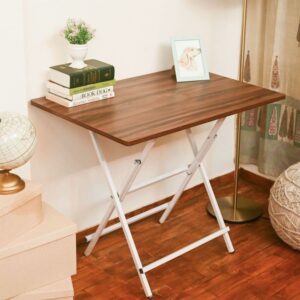
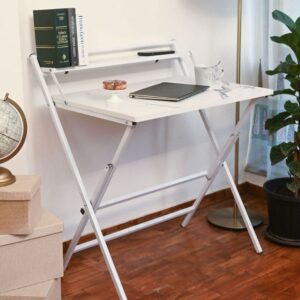
When buying a foldable study table for kids, most parents focus only on price and design without understanding how the product is actually made. This often leads to poor buying decisions where the table looks good but fails in durability and daily usability. The truth is that the quality of manufacturing directly determines how long the table will last, how stable it feels, and whether it is safe for kids. Understanding the journey from raw material to ready product helps you make a smarter decision. In this guide, we break down the complete manufacturing process of a foldable study table for kids and explain why each step matters for real life use in modern Indian homes.
Sourcing Raw Materials The Foundation of a Durable Foldable Study Table for Kids
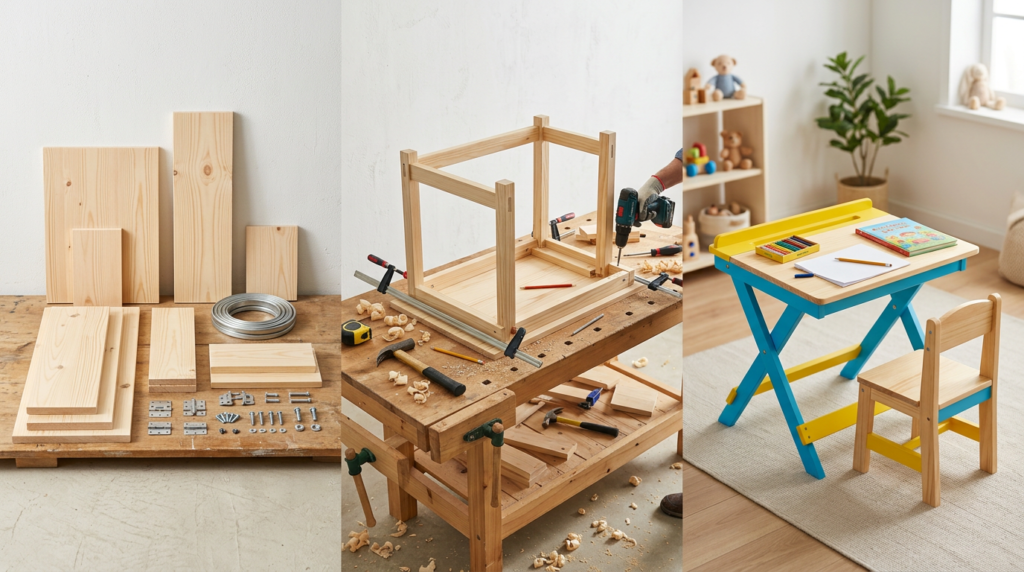
Every high quality foldable table begins with the right raw materials. At Faburaa, we focus on sourcing engineered wood of premium quality from reputed brands because the tabletop is where most daily interaction happens. The strength, finish, and long term durability of the table depend heavily on this material. Cheap materials may reduce cost but often lead to bending, surface damage, or reduced lifespan.
Along with wood, we procure strong metal pipes that form the structural frame of the table. This frame is responsible for stability and load bearing capacity. If the metal quality is poor, the table may wobble or lose strength over time. This becomes even more important when choosing a foldable table for small homes where furniture is used frequently and must handle regular movement.
Key material decisions that impact quality:
- Premium engineered wood ensures smooth finish and durability
- Strong metal pipes provide structural stability
- Quality sourcing reduces long term maintenance issues
- Balanced material selection improves weight handling
Frame Construction How Strength and Stability Are Built
Once the raw materials are sourced, the next step is constructing the frame. The metal pipes are carefully cut according to the required dimensions of the table. Precision in cutting is critical because even small inaccuracies can affect the balance and folding mechanism of the table.
After cutting, the pipes are welded together to form a strong frame structure. Welding is not just about joining metal but ensuring that the joints can withstand repeated folding and unfolding. A poorly welded frame can weaken over time and compromise safety.
The frame is designed to support common table sizes such as three by two feet and thirty by eighteen inches. These sizes are chosen based on practical usability in Indian homes where space is limited but functionality is essential.
Important aspects of frame construction:
- Precision cutting ensures proper alignment
- Strong welding improves long term durability
- Balanced frame design prevents wobbling
- Proper sizing supports real life usability
Tabletop Cutting and Finishing Creating the Usable Surface
The tabletop is where kids study, write, and spend most of their time, so its quality directly affects user experience. Large sheets of engineered wood, typically four by eight feet, are cut into required sizes based on the final table dimensions. This step requires accuracy to maintain uniformity and proper fitting with the frame.
After cutting, the edges are finished to ensure safety and smooth handling. Sharp edges are removed and surfaces are polished to create a clean and child friendly design. A good finish also protects the table from wear and tear caused by daily use.
This becomes especially relevant when considering compact furniture for kids room setups where comfort and safety are equally important.
What makes a good tabletop:
- Smooth surface for writing and studying
- Proper edge finishing for safety
- Accurate sizing for perfect frame fit
- Durable coating for long term use
Assembly Process Bringing Structure and Function Together
The assembly stage is where all components come together to form a functional product. The metal frame and wooden tabletop are carefully joined to ensure stability and proper alignment. This step determines how well the table performs in daily use.
Special attention is given to the folding mechanism because it is the core feature of the product. The joints must allow smooth movement without becoming loose over time. At the same time, they must remain strong enough to support weight without bending.
Rubber bushes are added at the bottom of the frame to improve grip and prevent slipping. These small components play a big role in ensuring safety, especially on tiled or smooth floors commonly found in Indian homes.
Key assembly considerations:
- Strong connection between frame and tabletop
- Smooth and reliable folding mechanism
- Rubber bushes for stability and floor protection
- Alignment checks to avoid imbalance
This becomes even more important when selecting a durable foldable table for daily use where repeated folding is expected.
Quality Checks Usability and Real Life Performance
A foldable study table for kids is only as good as its real life performance. This is why quality checks are a critical part of the manufacturing process. Each table is tested for stability, weight handling, and ease of use before it reaches the customer.
The goal is to ensure that the table is not just visually appealing but also practical for everyday use. It should open and close smoothly, remain stable during use, and handle the typical activities of a child such as writing, reading, and using a laptop.
This is where many low cost alternatives fail because they skip proper testing and focus only on appearance. A well manufactured table is designed to perform consistently over time without frequent issues.
Quality checks focus on:
- Stability during use
- Smooth folding and unfolding
- Load bearing capacity
- Surface durability and finish
Why Manufacturing Quality Matters for Your Buying Decision
A foldable study table may look similar across different brands, but the difference lies in how it is made. Manufacturing quality directly affects durability, safety, and overall user experience. This is especially important for parents who want a reliable study setup for their children.
A well made table offers long term value because it reduces the need for frequent replacement. It also ensures that the table remains stable and safe during use. On the other hand, a poorly made table may lead to frustration, safety concerns, and additional costs.
When evaluating options, it is important to look beyond price and consider how the product is manufactured. This becomes highly relevant when exploring best foldable study table for kids options that are designed for real world usage.
What to consider before buying:
- Quality of raw materials used
- Strength of frame and joints
- Smoothness of folding mechanism
- Stability and safety features
Conclusion
The journey from raw material to ready product defines the true quality of a foldable study table for kids. What may seem like a simple piece of furniture actually involves careful material selection, precise construction, thoughtful design, and rigorous quality checks. Each step plays a role in ensuring that the final product is practical, durable, and safe for everyday use.
What matters most is not just how the table looks but how it performs over time. Avoid the mistake of choosing based only on price or design. Focus on manufacturing quality, usability, and long term value. A well built foldable table fits easily into modern Indian homes, supports daily study routines, and offers flexibility without compromising on strength.
If you are looking for a solution that combines space saving design with reliable performance, choosing a thoughtfully manufactured foldable study table is the right decision.
FAQ Section
What materials are used in a foldable study table for kids?
Most high quality tables use engineered wood for the top and metal frames for structure to ensure durability and stability.
Is a foldable study table strong enough for kids?
Yes, when made with good materials and proper construction, it is strong enough for daily use.
How long does a foldable study table last?
A well manufactured table can last for several years with regular use and proper care.
What size is best for a kids study table?
Common sizes like three by two feet or thirty by eighteen inches work well for most children.
Are foldable tables safe for kids?
Yes, if they have smooth edges, stable frames, and proper support features like rubber bushes.
Is a foldable study table easy to maintain?
Yes, it requires minimal maintenance and can be cleaned easily with a dry or slightly damp cloth.
Why should I choose a foldable table over a regular table?
Foldable tables save space, offer flexibility, and are ideal for modern homes where rooms serve multiple purposes.