Introduction
Engineered wood vs plywood is one of the most important decisions when buying furniture today. Many people assume both materials are similar but the difference directly affects durability cost and everyday usability. If you are investing in modern home furniture or space saving furniture like foldable tables choosing the right material can make or break your experience.
In Indian homes where compact furniture is becoming essential the focus is not just on looks but also on practicality and long term performance. Whether you are setting up a work from home space or buying a foldable table for daily use understanding these materials helps you make a smarter decision.
What Is Engineered Wood and Plywood
Understanding the basics is the first step before comparing engineered wood vs plywood. Both are manufactured wood products but they differ in structure performance and usage.
Definition style explanation
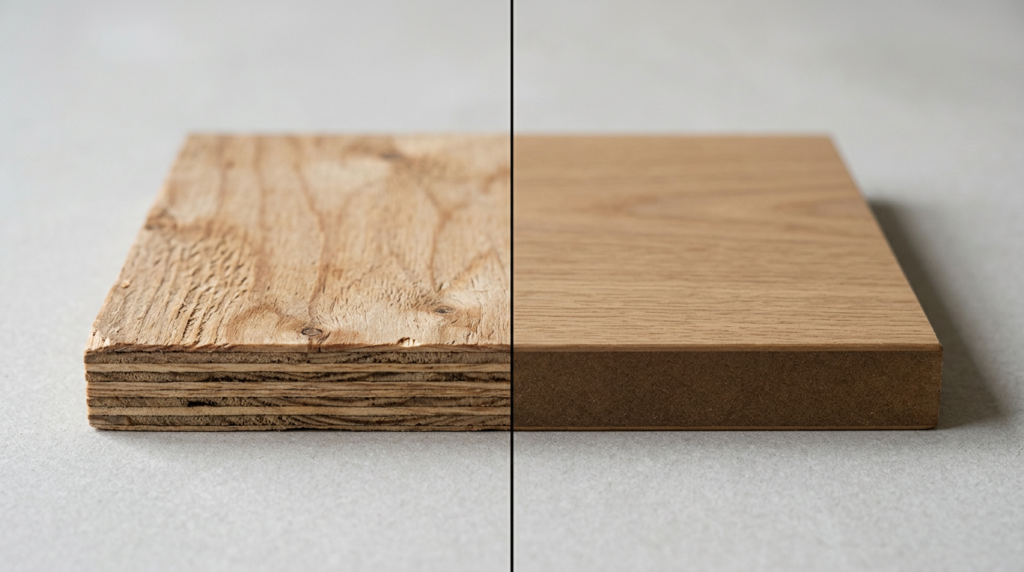
Engineered wood is a man made wood product created by binding wood fibers particles or veneers with adhesives to form a uniform and consistent board
Plywood is made by layering thin sheets of natural wood veneer and bonding them together with adhesive under pressure
Engineered wood is known for its smooth finish and uniform strength while plywood is valued for its layered structure and resistance to bending.
Key characteristics
- Engineered wood offers a smooth surface ideal for modern designs
- Plywood has natural wood layers that provide strength
- Engineered wood is more affordable in most cases
- Plywood is generally stronger for heavy load applications
This becomes especially relevant when choosing the best material for foldable tables where both strength and weight matter
Engineered Wood vs Plywood Durability and Strength
Durability is one of the most critical factors when choosing furniture. Many buyers assume plywood is always stronger but real world usage depends on how the material is used and supported.
Engineered wood has improved significantly over the years and is now widely used in modern furniture. It provides consistent strength and does not have natural defects like knots or uneven grains. For daily indoor use such as study tables or foldable tables it performs reliably.
Plywood on the other hand is known for its strength due to its layered structure. It can handle heavier loads and is often used in structural furniture or cabinets. However it can be heavier and more expensive which may not always be necessary for compact furniture.
Direct answer paragraph
For most modern home furniture and foldable tables engineered wood is durable enough for daily use while plywood is better suited for heavy duty applications
When evaluating durability consider
- Type of usage daily or occasional
- Weight load requirements
- Environmental exposure like moisture
- Overall furniture design and support
If you are exploring durable compact furniture for home engineered wood offers a practical balance between strength and usability
Cost and Value Comparison for Indian Homes
Cost plays a major role in deciding between engineered wood vs plywood especially in budget conscious markets like India. However focusing only on price can lead to poor long term decisions.
Engineered wood is generally more affordable and offers excellent value for money. It allows manufacturers to create stylish modern furniture at a lower cost while maintaining decent durability. This makes it ideal for space saving furniture and foldable tables used in everyday settings.
Plywood is more expensive due to its manufacturing process and natural wood layers. While it offers higher strength it may not always justify the cost for lightweight or portable furniture.
Comparison style explanation
Engineered wood is cost effective and suitable for everyday furniture while plywood is more expensive and better for heavy duty long term installations
To make a smart choice consider
- Budget versus long term usage
- Need for heavy load support
- Frequency of use
- Design and finish preference
This becomes even more important when selecting engineered wood furniture for homes that balance affordability with performance
Usability and Real Life Applications
Choosing between engineered wood vs plywood depends heavily on how you plan to use the furniture. Real life applications often matter more than theoretical strength.
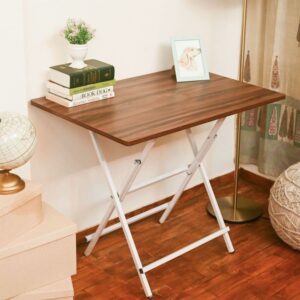
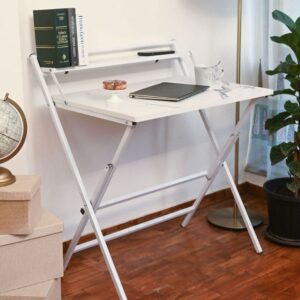
Engineered wood is widely used in foldable tables study desks wardrobes and modular furniture. Its lightweight nature and smooth finish make it ideal for compact furniture that needs to be moved or stored frequently.
Plywood is commonly used in kitchen cabinets beds and structural furniture where strength and durability under heavy load are essential. It is less suitable for portable furniture due to its weight and cost.
In real life scenarios
- Engineered wood works best for foldable tables and study setups
- Plywood is better for permanent furniture installations
- Engineered wood suits modern compact homes
- Plywood suits heavy duty usage
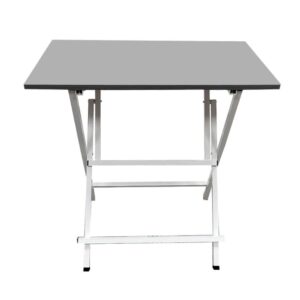
This is especially relevant when selecting a foldable table for small rooms where weight and portability are key factors
Maintenance and Longevity
Maintenance is often overlooked but plays a major role in how long your furniture lasts. Both engineered wood and plywood require care but their maintenance needs differ slightly.
Engineered wood is easy to clean and maintain. Its smooth surface resists stains and minor scratches making it suitable for daily use furniture. However it should be protected from excessive moisture to prevent damage.
Plywood is more resistant to moisture especially in higher grades but still requires proper finishing and care. It may need polishing or laminates to maintain its appearance over time.
To ensure longevity
- Keep furniture away from excessive moisture
- Clean surfaces regularly
- Avoid overloading beyond capacity
- Use proper support and placement
If you are following a foldable table buying guide India maintenance should be a key factor in your decision
Common Buying Mistakes to Avoid
Many buyers make mistakes when choosing between engineered wood vs plywood because they focus only on one factor such as price or strength. A balanced approach is essential for making the right choice.
The most common mistake is assuming plywood is always better. While it is stronger it is not always necessary for everyday furniture. Another mistake is choosing low quality engineered wood products that compromise durability.
Avoid these mistakes
- Choosing material without understanding usage needs
- Ignoring weight and portability requirements
- Buying based only on price
- Overestimating strength requirements
- Ignoring maintenance factors
Understanding plywood vs engineered wood comparison helps you avoid these issues and make a more informed decision
Which Material Should You Choose
Choosing between engineered wood vs plywood ultimately depends on your specific needs and usage. There is no one size fits all answer but there is a clear direction based on practical scenarios.
Engineered wood is ideal for
- Foldable tables and study desks
- Compact furniture for small homes
- Budget friendly modern furniture
- Lightweight and portable designs
Plywood is ideal for
- Heavy duty furniture
- Permanent installations
- High load bearing structures
- Moisture resistant applications
For most urban Indian homes engineered wood offers the best balance of cost durability and usability. It is especially suitable for modern space saving furniture where flexibility and practicality are key
Conclusion
Engineered wood vs plywood is not about choosing the strongest material it is about choosing the right material for your needs. Engineered wood offers affordability smooth finish and practicality making it ideal for everyday furniture like foldable tables. Plywood provides higher strength and durability for heavy duty applications but comes at a higher cost.
What matters most is understanding how you will use the furniture. Avoid the mistake of overpaying for strength you do not need or choosing low quality materials that compromise durability.
For modern Indian homes where space efficiency and flexibility are priorities engineered wood is often the smarter choice. When designed well it delivers durability comfort and long term value making it a practical investment for everyday living
FAQ Section
Which is better engineered wood or plywood?
It depends on usage engineered wood is better for everyday furniture while plywood is better for heavy duty applications
Is engineered wood durable for furniture?
Yes engineered wood is durable enough for daily use when made with good quality materials
Is plywood stronger than engineered wood?
Yes plywood is generally stronger due to its layered structure but may not be necessary for all furniture types
Which material is best for foldable tables?
Engineered wood is usually the best choice for foldable tables because it is lightweight and cost effective
Is engineered wood cheaper than plywood?
Yes engineered wood is generally more affordable than plywood
Can engineered wood last long?
Yes with proper care engineered wood furniture can last for many years
Which material is best for small homes?
Engineered wood is ideal for small homes because it supports compact and space saving furniture designs