How to Avoid Customs Delays When Ordering Furniture and Home Goods From Overseas

Table of Contents

Intro

Buying furniture or home goods from international sellers has never been easier. With online marketplaces offering everything from handcrafted European décor to minimalist Japanese furniture, global shopping has become second nature for many Indian consumers and interior designers. However, while international orders can bring style and uniqueness to your space, they can also come with one frustrating challenge—customs delays.

Waiting weeks or even months for your imported furniture can disrupt renovation timelines, inflate costs, and cause unnecessary stress. But the good news is that most customs issues can be avoided with proper planning and awareness. Understanding how global shipping, documentation, and import duties work will save you both time and money.


Why Customs Delays Happen

Before you can fix the problem, it’s important to understand why customs delays occur in the first place. Most delays are caused by incomplete paperwork, undervalued invoices, misclassified goods, or unpaid import duties. In some cases, customs may flag shipments for random inspection, especially if the declared value or description doesn’t match the product.

Other common causes include incorrect or missing HS (Harmonized System) codes, incomplete shipping or consignee information, unpaid or miscalculated customs duties, shipments from unverified international sellers, and incorrect declaration of product materials such as wood, metal, or leather.

If you’re importing furniture, the type of material matters. Wooden furniture, for instance, may require a fumigation or pest control certificate, while upholstered items may need textile compliance documents. Missing these details often leads to customs hold-ups.

Do Your Research Before Ordering

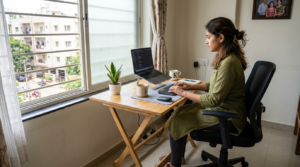
The first step in avoiding customs problems is to understand your country’s import regulations. In India, the Customs Department requires all international imports to comply with the Customs Act and Foreign Trade Policy. If you’re importing large furniture pieces, check whether they fall under restricted categories or require additional permits.

Always buy from sellers who provide detailed invoices, accurate product descriptions, and clear shipping terms. The invoice should include the item’s description, quantity, unit price, total cost, country of origin, and harmonized code. If the seller doesn’t offer this information, that’s a red flag.

When importing high-value furniture or multiple shipments, consider seeking help from professionals who understand international trade and customs clearance. Many experienced logistics agents work closely with US taxation companies in Bangalore to ensure documents align with foreign and Indian tax requirements—helping you avoid red flags during customs review.

Choose the Right Shipping Partner

Your shipping company plays a crucial role in how smoothly your goods move through customs. Always choose reputable carriers like DHL, FedEx, UPS, or established freight forwarders who have experience handling furniture shipments.

They can help you prepare all required customs documentation, calculate accurate duties and taxes, provide real-time tracking and customs updates, and offer door-to-door delivery and customs brokerage services.

Cheaper carriers may save you some money upfront but often result in delays or unexpected charges later. Reliable shippers are worth the investment if you want your order delivered on time and without hassle.

Get Your Documentation Right

Documentation is the heart of smooth customs clearance. Missing or incorrect paperwork is the number one cause of shipment delays. Make sure your package includes:

A commercial invoice (detailing product name, material, and value)

A packing list (showing quantity and packaging type)

A certificate of origin

Import permits or licenses, if applicable

A fumigation or pest certificate for wooden furniture

GSTIN and Import Export Code (IEC) for business imports


The product’s declared value should always match what you paid. Customs officers compare your invoice with average market prices, so under-declaring the amount to reduce duties can backfire and lead to penalties or confiscation.


Know How Customs Duties Work

When ordering furniture or décor from abroad, you’ll need to pay customs duties and GST upon arrival in India. The total cost depends on the product type, declared value, and origin country.

For example, wooden furniture typically attracts customs duty between 10% and 20%. Home décor items like lamps or rugs may have lower rates. Metal or leather goods could have separate tariffs.

If you’re unsure how much you’ll owe, use the Indian Customs Duty Calculator online or consult a customs broker. Always have the payment ready to prevent your shipment from sitting in a bonded warehouse, which can incur storage fees.


Track and Communicate Regularly

Once your shipment leaves the seller, keep a close eye on its progress. Tracking portals from major couriers provide updates on customs clearance, arrival, and delivery. If you see a status like “Held in Customs,” contact your courier immediately. They can usually tell you the reason for the delay and guide you on what’s needed to clear it.

Always respond promptly to requests for documents or clarifications. Customs officials typically allow a limited time window for submitting additional paperwork. A quick reply can mean the difference between a one-day and a two-week delay.

Factor in Extra Time for Clearance

Even with perfect paperwork, customs inspections can occasionally happen. These checks are normal and don’t necessarily indicate a problem. To avoid frustration, always build buffer time into your delivery expectations. If your interior project or home renovation is on a schedule, order key furniture at least a month before you need it.


Understand Country-Specific Regulations

Each country you import from has its own export and documentation rules. For instance, the U.S. requires compliance with wood treatment standards, while European sellers must follow CE and REACH guidelines for material safety. Make sure your seller includes all compliance certificates relevant to their region.

If you’re buying from smaller artisans or boutique sellers, verify that they’re familiar with export documentation. Many small businesses may not have prior experience with Indian customs paperwork, which could lead to shipment rejections or long processing times.

Consolidate Shipments for Simplicity

If you’re buying multiple items, consider consolidating your orders into one shipment. Multiple small packages can get stuck at customs individually, increasing the risk of missing paperwork or inconsistent declarations. Consolidation not only saves on shipping costs but also simplifies your customs documentation.

Work with a freight forwarder who can handle consolidation and customs filing together. They can ensure that each item’s value, weight, and material are correctly declared under one master invoice.

Keep Proof of Payment and Communication

Always keep digital copies of your invoices, payment receipts, and conversations with the seller. Customs officers sometimes request proof of payment to verify declared values. Having these documents handy helps clear up disputes faster.

If you paid via PayPal or a credit card, screenshots of transaction confirmations are sufficient. This transparency helps demonstrate that your import is legitimate and for personal use, not commercial resale.

Partnering With Experts

If you’re planning to make international orders regularly—for example, as an interior designer or a furniture reseller—it’s worth partnering with professionals who specialize in cross-border taxation and compliance. They can help you understand how customs duties interact with international taxation, ensuring smooth logistics and legal clarity.

Many such firms, like Ledgerscfo , provide integrated financial and compliance solutions for Indian businesses working with overseas suppliers. Their expertise in global trade taxation, documentation, and payment reporting can save you weeks of frustration and potentially thousands in penalties.

Tips to Avoid Delays Altogether

1. Verify the seller’s export experience before ordering.


2. Ask for sample invoices and shipping documents upfront.


3. Never undervalue your goods on customs forms.


4. Pay duties and taxes as soon as they’re calculated.


5. Use reliable couriers with in-house customs brokerage services.


6. Maintain copies of all documents for at least one year.


7. If in doubt, consult a customs expert before placing the order.

Building Confidence in Global Shopping

The key to avoiding customs delays is preparation. By being proactive about paperwork, payments, and compliance, you can enjoy smooth international shopping experiences and ensure your furniture arrives on time.

India’s eCommerce and import ecosystem is evolving rapidly, making it easier than ever for consumers and businesses to import goods legally and efficiently. With the right strategy and partners, cross-border furniture shopping can be both rewarding and worry-free.

When you understand how customs and taxation work, you transform from a casual buyer into an informed importer—someone who saves money, avoids stress, and brings the best of global design home effortlessly.


Building Confidence in Global Shopping

The key to avoiding customs delays is preparation. By being proactive about paperwork, payments, and compliance, you can enjoy smooth international shopping experiences and ensure your furniture arrives on time.

India’s eCommerce and import ecosystem is evolving rapidly, making it easier than ever for consumers and businesses to import goods legally and efficiently. With the right strategy and partners, cross-border furniture shopping can be both rewarding and worry-free.

When you understand how customs and taxation work, you transform from a casual buyer into an informed importer—someone who saves money, avoids stress, and brings the best of global design home effortlessly.